Archives
- 2026-08
- 2026-07
- 2026-06
- 2026-05
- 2026-04
- 2026-03
- 2026-02
- 2026-01
- 2025-12
- 2025-11
- 2025-10
- 2025-09
- 2025-03
- 2025-02
- 2025-01
- 2024-12
- 2024-11
- 2024-10
- 2024-09
- 2024-08
- 2024-07
- 2024-06
- 2024-05
- 2024-04
- 2024-03
- 2024-02
- 2024-01
- 2023-12
- 2023-11
- 2023-10
- 2023-09
- 2023-08
- 2023-06
- 2023-05
- 2023-04
- 2023-03
- 2023-02
- 2023-01
- 2022-12
- 2022-11
- 2022-10
- 2022-09
- 2022-08
- 2022-07
- 2022-06
- 2022-05
- 2022-04
- 2022-03
- 2022-02
- 2022-01
- 2021-12
- 2021-11
- 2021-10
- 2021-09
- 2021-08
- 2021-07
- 2021-06
- 2021-05
- 2021-04
- 2021-03
- 2021-02
- 2021-01
- 2020-12
- 2020-11
- 2020-10
- 2020-09
- 2020-08
- 2020-07
- 2020-06
- 2020-05
- 2020-04
- 2020-03
- 2020-02
- 2020-01
- 2019-12
- 2019-11
- 2019-10
- 2019-09
- 2019-08
- 2019-07
- 2019-06
- 2019-05
- 2019-04
- 2018-07
-
br Conclusions br Conflict of interest statement
2021-06-19
Conclusions Conflict of interest statement Acknowledgments This research was funded by São Paulo Research Foundation (FAPESP) (ProcessN. 2012/08621-1). Thanks to F.J.H. Blázquez and the staff of the Laboratório de Anatomia Microscópica e Imuno Histoquímica (LAMIH − FMVZ − USP) for the permi
-
Taken together this study gives first insights
2021-06-19
Taken together, this study gives first insights into the complex effect of DNMT inhibition on pattern separation. Acute administration of RG108 enhanced pattern separation performance measured with the OPS task and increased Bdnf1 expression. However, this effect was only acute, and was not present
-
The folate pathway plays an essential
2021-06-19
The folate pathway plays an essential role in cell survival by generating 5, 10-methylene tetrahydrofolate as a one-carbon donor for the synthesis of deoxythymidine monophosphate (dTMP), purines, methionine and histidine. Disruption of this pathway leads to the critical deficiency of these key molec
-
One possible explanation for differences in
2021-06-19
One possible explanation for differences in the binding ability of monomeric versus dimeric forms of DDR2 ECD to collagen could be that the monomeric form only binds to the primary GVMGFO site, whereas dimeric (and oligomeric) DDR2 ECD binds to additional sites on the collagen triple-helical molecul
-
br The DDR kinase domain The DDR intracellular kinase domain
2021-06-19
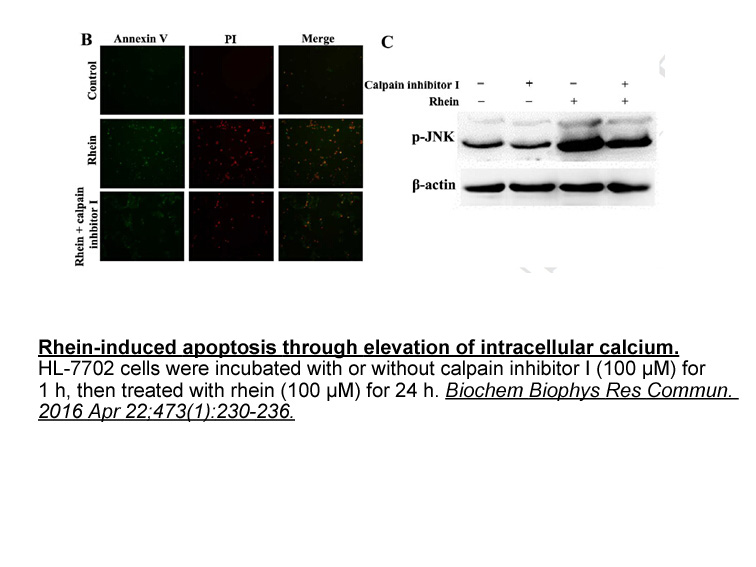
The DDR1 kinase domain The DDR1 intracellular kinase domain shares the typical structure of other kinase domains (Fig. 1). However, how DDR1 kinase is activated upon collagen binding is poorly understood. It is thought that the process is fundamentally different from the accepted paradigm of liga
-
Consistent with prior reports this study also found the
2021-06-19
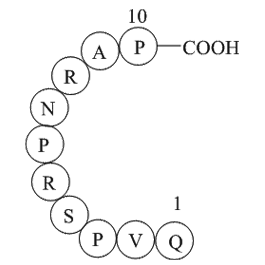
Consistent with prior reports, this study also found the level of 11 cytokines (MIF, IL-1Ra, CTACK, M-CSF, Basic FGF, VCAM-1, SDF-1α, IL-8, IL-16, PDGF-β, and GRO-α) significantly decreased in the sera of adult HFMD patients in comparison with controls. MIF is a pro-inflammaory cytokine that is asso
-
Many studies have used paradigms based on animal models
2021-06-18
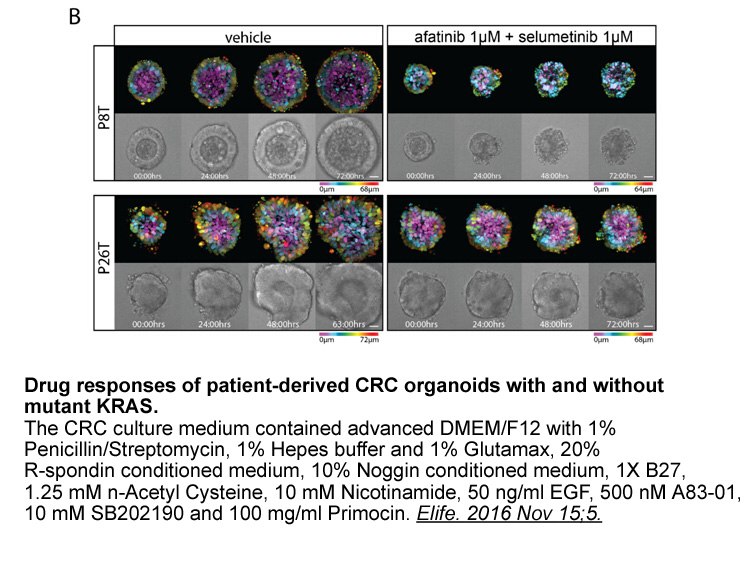
Many studies have used paradigms based on animal models to understand human emotional behavior because it appears to be correlated with fear- and anxiety-related defensive patterns in non-human mammals (Blanchard et al., 2001). In this case, defensive reactions are used to study the neural substrate
-
It is now well accepted that
2021-06-18
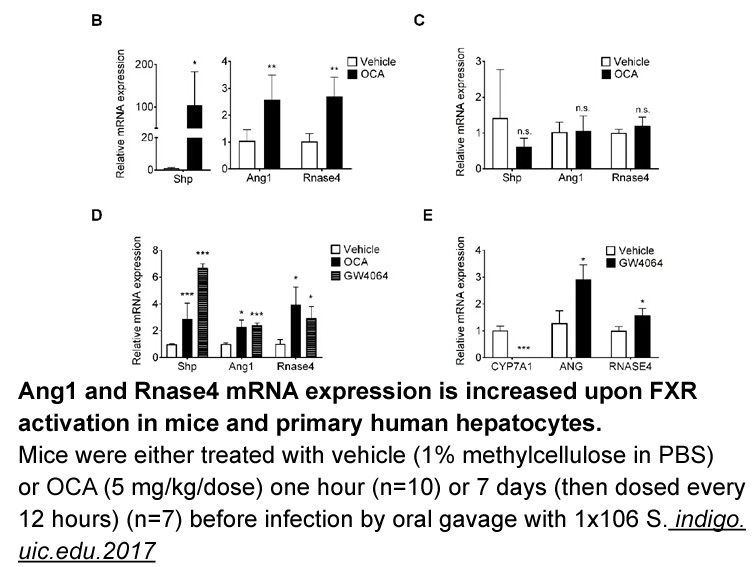
It is now well accepted that increased local estrogen levels are associated with both the onset and growth of breast cancer. Tissue concentrations of estradiol (E2) in breast cancer are 10 times higher than that found in plasma [12]. Breast cancer tissues also contain increased activity and expressi
-
The H E staining and Nissl
2021-06-18
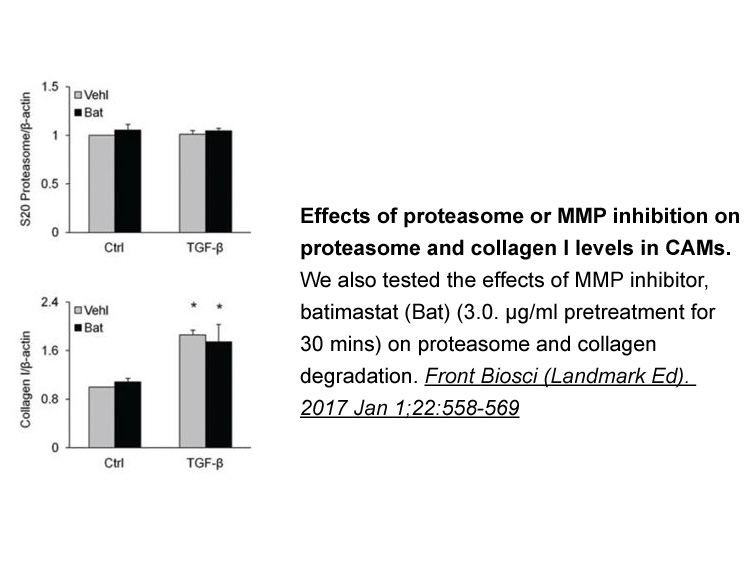
The H&E staining and Nissl staining results showed that damage to the pyramidal neurons in the CA1 and CA3 regions of the hippocampus were observed in the 50 mg/kg/day DBP group, accompanied by an absence of Nissl bodies, suggesting that DBP exposure can lead to pathological changes in the neurons o
-
In this study we have
2021-06-18

In this study we have explored a functional role of the oxysterol/EBI2 system in this process. In 2011 we and others reported the discovery of oxysterols as ligands for EBI2 [6], [7]. Oxysterols are metabolites generated by hydroxylation of cholesterol and have been linked to a variety of fundamenta
-
Elevated DPP activity has been strongly associated with diab
2021-06-18
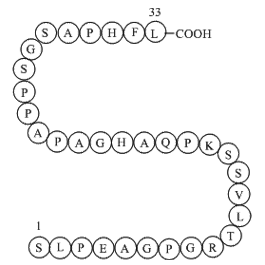
Elevated DPP-4 activity has been strongly associated with diabetes mellitus, IR (Röhrborn et al., 2015), metabolic syndrome (Lamers et al., 2011) and inflammation (Zhong et al., 2015). However, report has it that GC exposure increases DPP-4activity in thymocyte homogenates (Kraml et al., 2003) but t
-
Several limitations of this study need to be acknowledged
2021-06-18
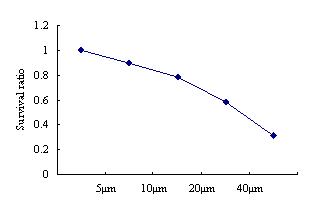
Several limitations of this study need to be acknowledged. First, although 200 patients were recruited into this study and completed assessments at baseline, only 89 patients completed the cognitive tests after 8weeks of treatment. The relatively long study period (8weeks) was the main reason for th
-
TAPI-1 cGAS has a central role in STING
2021-06-18
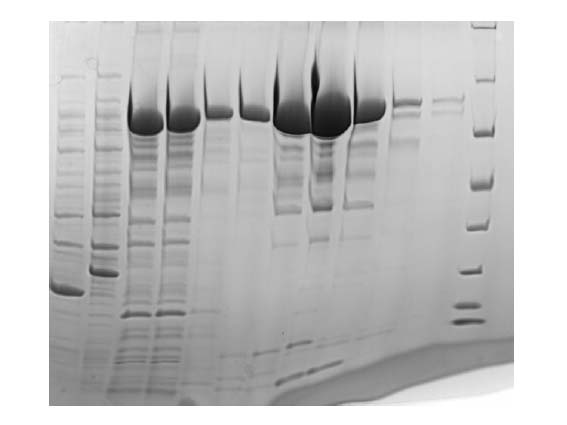
cGAS has a central role in STING activation after DNA sensing, but it is unknown if most of the DNA sensors act independently or in cooperation with the cGAS-cGAMP pathway. This was addressed for IFI16 (Almine et al., 2017, Jønsson et al., 2017) and PQBP1 (Yoh et al., 2015) but remains to be tested
-
In contrast DAG phosphorylation to
2021-06-18
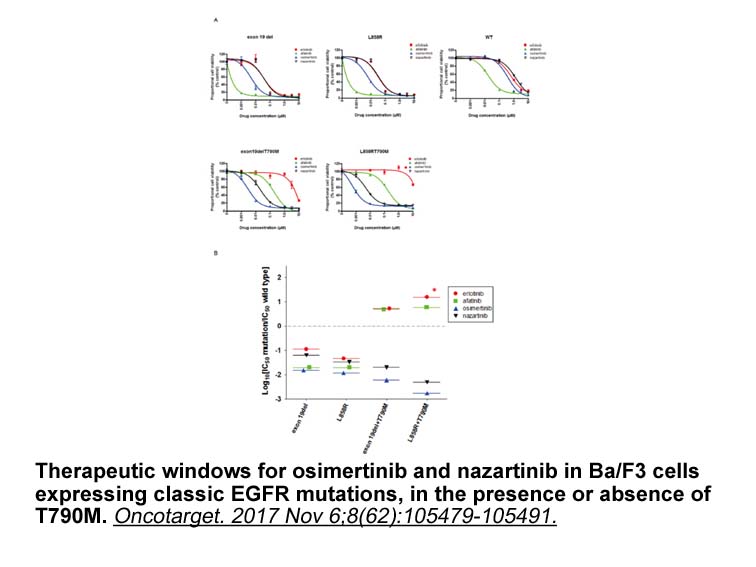
In contrast, DAG phosphorylation to PA by diacylglycerol kinases (DGKs) represents a quantitatively minor metabolic pathway, but is generally regarded as a main disposal pathway for “signaling” DAG. PA produced by DGKs is an intermediate of the synthesis of CDP-DAG, cardiolipin and PI. However, PA i
-
In conclusion over expression of Stokesia epoxygenase SlEPX
2021-06-17
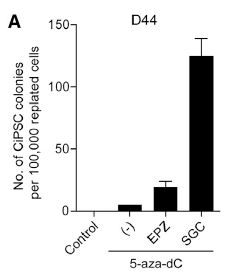
In conclusion, over-expression of Stokesia epoxygenase (SlEPX) in soybean seeds led to some unusual seed phenotypes. These effects can be overcome by coexpression of Vernonia DGATs (VgDGAT1 & 2). The DGATs can specifically transfer vernolic Tanshinone IIA---sulfonic sodium into TAG, largely reducing
16073 records 650/1072 page Previous Next First page 上5页 646647648649650 下5页 Last page