Archives
- 2026-09
- 2026-08
- 2026-07
- 2026-06
- 2026-05
- 2026-04
- 2026-03
- 2026-02
- 2026-01
- 2025-12
- 2025-11
- 2025-10
- 2025-09
- 2025-03
- 2025-02
- 2025-01
- 2024-12
- 2024-11
- 2024-10
- 2024-09
- 2024-08
- 2024-07
- 2024-06
- 2024-05
- 2024-04
- 2024-03
- 2024-02
- 2024-01
- 2023-12
- 2023-11
- 2023-10
- 2023-09
- 2023-08
- 2023-06
- 2023-05
- 2023-04
- 2023-03
- 2023-02
- 2023-01
- 2022-12
- 2022-11
- 2022-10
- 2022-09
- 2022-08
- 2022-07
- 2022-06
- 2022-05
- 2022-04
- 2022-03
- 2022-02
- 2022-01
-
A series of P P ureas were explored
2022-01-17
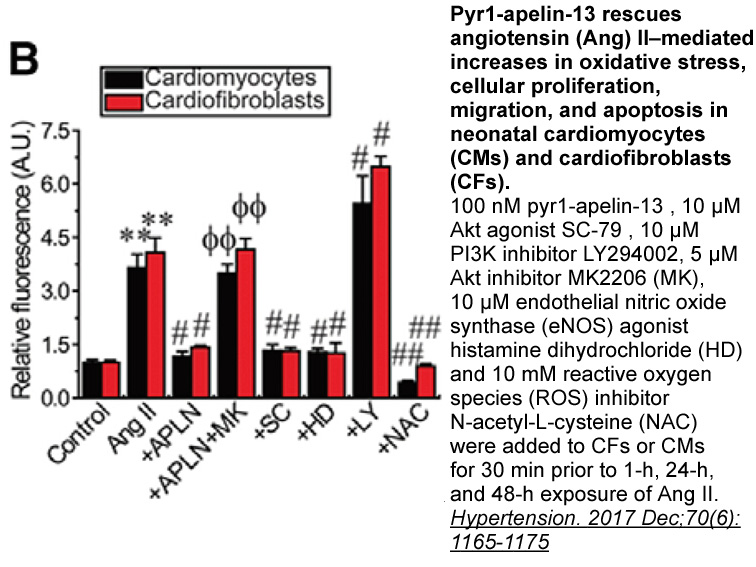
A series of P3-P4 ureas were explored first and their anti-NS3 protease activity, antiviral properties in a HCV replicon cell-based assay and PK profiles examined. Installation of a methyl group on the P4 side nitrogen Debio-1347 of the urea yielded , a molecule which retained intrinsic potency agai
-
Of xenobiotic quinones thymoquinone methyl isopropyl
2022-01-17
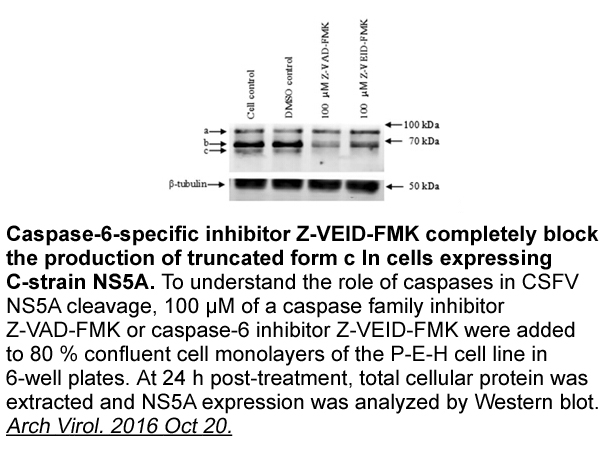
Of xenobiotic quinones, thymoquinone (2-methyl-5-isopropyl-1,4-benzoquinone; Fig. 1) is one of the most thoroughly studied for its pharmacological properties. It is the most active component of Nigella sativa, commonly called black cumin2, 3, the essential oil of the seeds of which are used for trea
-
br Next we explored the SAR
2022-01-17
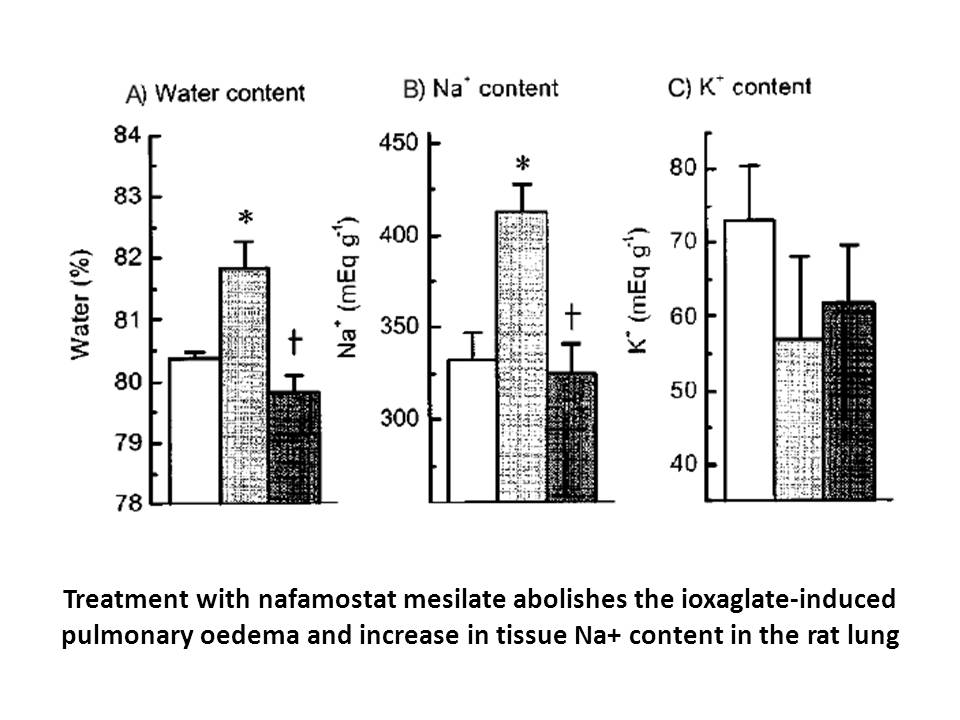
Next, we explored the SAR around the aryl ring attached to the pyrrole nitrogen in the presence of the 3-CF and the 2,6-difluorophenylpropionic LJH685 sidechain (). The EC value of the unsubstituted phenyl was about 100 nM. The 4-methyl was 2-fold more potent, however ethyl and bromo did not
-
br Ca influx through glutamate
2022-01-17

Ca2+ influx through glutamate receptors is thought to play a critical role in synaptogenesis and in the formation of neuronal circuitry during early development[45]. Because AMPA receptors might contribute to these processes, particularly at times and in cells in which NMDA receptor expression is
-
ppar antagonist br Origin of the vertebrate
2022-01-17
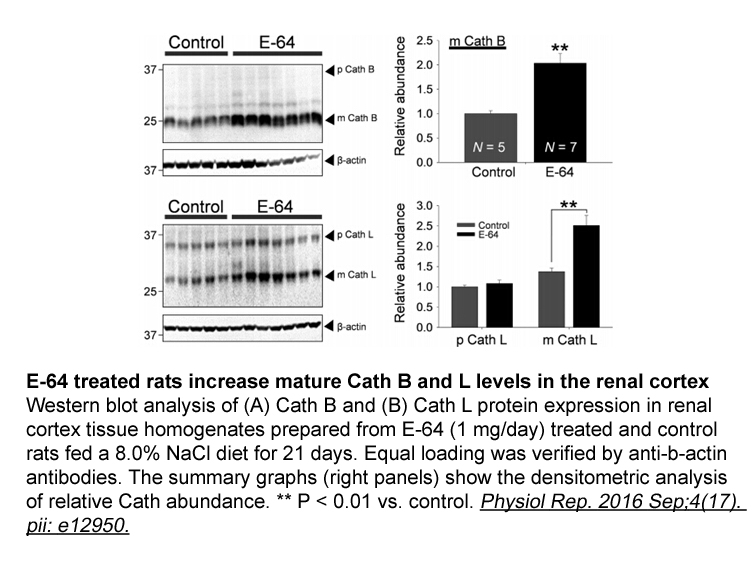
Origin of the vertebrate hexokinase gene family Multiple hexokinases have been found in vertebrates, plants and yeast (Wilson, 1995, Cárdenas et al., 1998). A hexokinase in both vertebrates and yeast has, unfortunately, been named glucokinase. The sharing of the name glucokinase has suggested to
-
The findings in this study may
2022-01-17
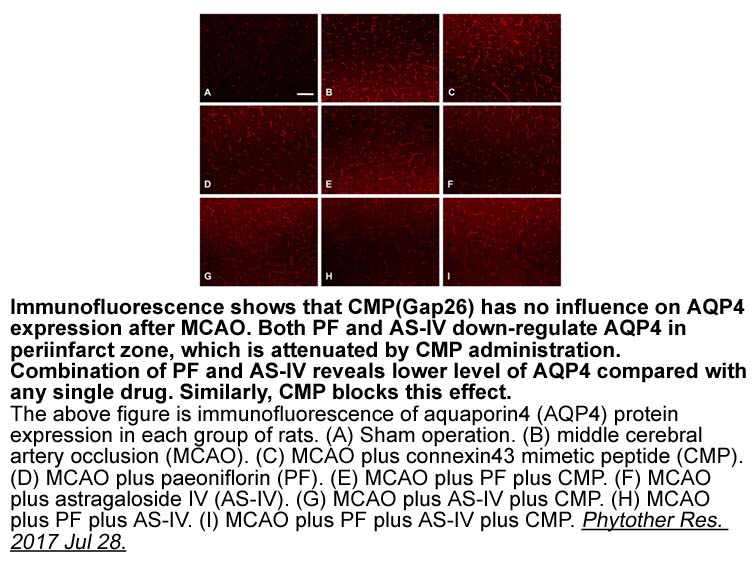
The findings in this study may represent an example of a more general phenomenon, namely that the exquisite specificity of the G protein-coupled receptors that mediate the physiological actions of the NG25 family hormones in mammals may have arisen relatively late in evolution. In non-mammalian vert
-
The intestinal epithelium is the first line of defense again
2022-01-17
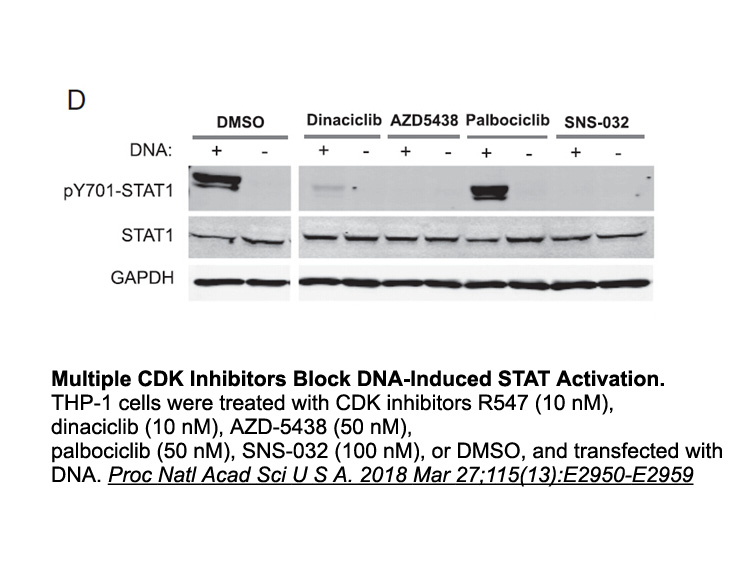
The intestinal epithelium is the first line of defense against pathogens and noxious agents and exerts a range of physiological activities, including digestion and S/GSK1349572 of nutrients. The intestinal wall consists of a series of finger shaped protrusions called villi and invaginations known a
-
The overall very satisfactory potency profile of compounds a
2022-01-17

The overall very satisfactory potency profile of compounds 7a–l suggests that 1,3,4-thiadiazole-2-carboxamide moiety was a suitable periphery group to add to the 3-phenylpropanoic M344 synthesis core in order to improve affinity to FFA1. The agonist activity in this series appears to be particularl
-
Further our data demonstrate a role for mitochondrial AIF
2022-01-17
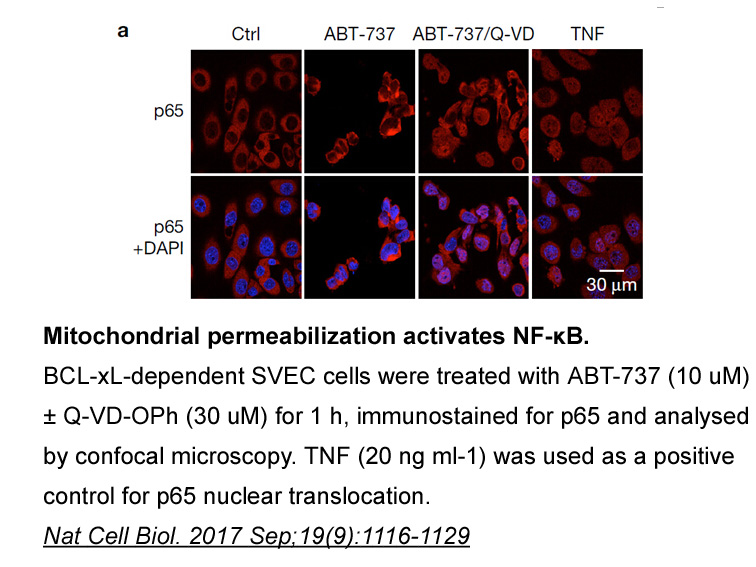
Further, our data demonstrate a role for mitochondrial AIF in oxidative cell death induced by RSL3. We found that AIF knockdown using siRNA completely protected the Desfuroylceftiofur against RSL3 induced oxidative stress. Similar to other pathways of caspase-independent programmed cell death, mitoc
-
aspartame products australia br Problem of cellular retentio
2022-01-15
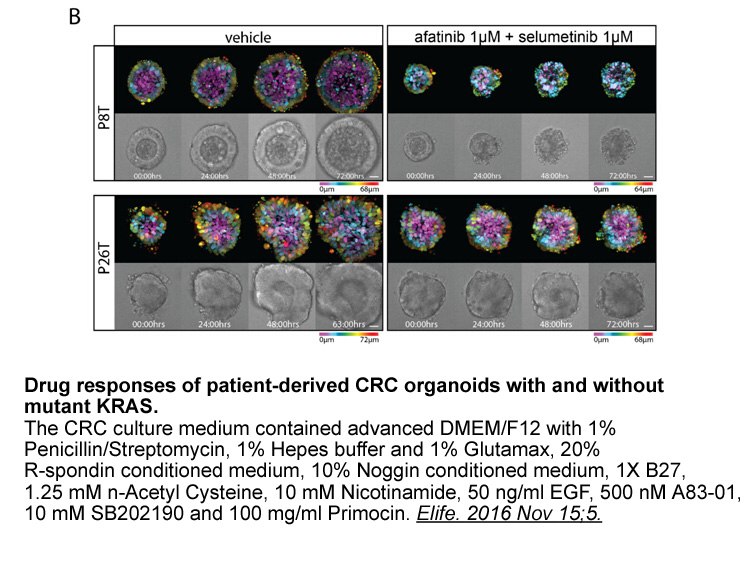
Problem of cellular retention not only affects the cellular activity of the nanoparticles and nanocomplexes but can also have ramifications in their in vivo applications. While inorganic nanoparticles are being developed extensively for detection as well as treatment of different human diseases, i
-
The molecular mechanisms underlying VSMC
2022-01-15
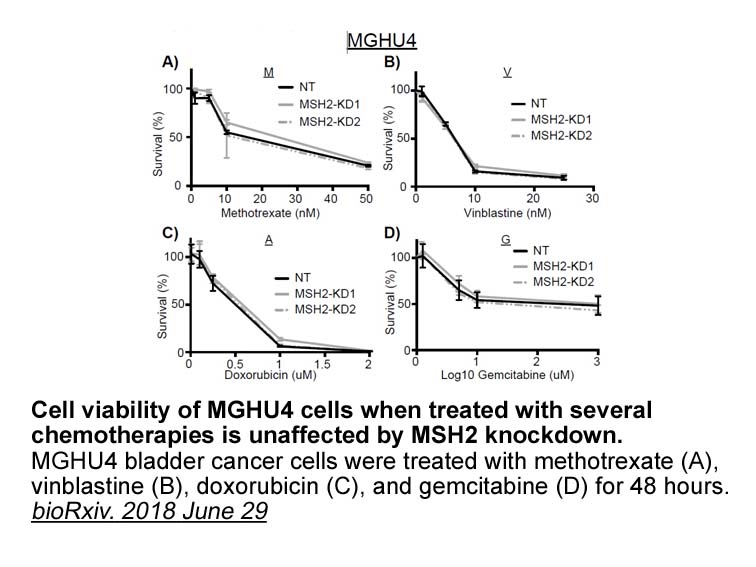
The molecular mechanisms underlying VSMC ETB receptor upregulation have been studied after 24–48h organ culture in both coronary and cerebral arteries. The increased expression of contractile ETB receptor at these time points has been shown to depend on transcriptional mechanisms and PKC and the ext
-
br Hedgehog pathway The Hedgehog pathway Fig derives
2022-01-15
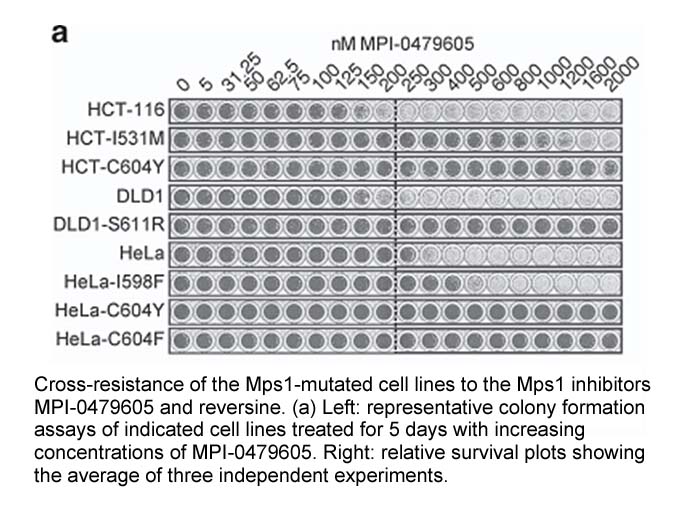
Hedgehog pathway The Hedgehog pathway (Fig. 1) derives its name from Hh gene mutant Drosophila, which presents a spiked phenotype resembling the animal “hedgehog” [13]. The Hh proteins control embryonic development in vertebrates, where the signaling mechanisms mediated by the proteins are multip
-
Aspartame l aspartyl l phenylalanine methylester is a dipept
2022-01-15
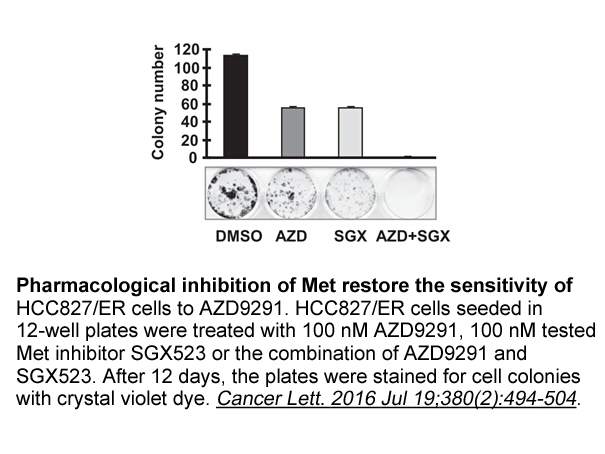
Aspartame (l-aspartyl l-phenylalanine methylester) is a dipeptide artificial sweetener that is widely used as a non-nutritive sweetener in various food products [1]. The increased market of dietary products and the development of new synthetic sweetening compounds have not been sufficiently explored
-
Although it has been observed in
2022-01-15
Although it has been observed in numerous studies and by many investigators that intraplatelet cGMP elevation results in platelet inhibition, there are a few papers which proposed a platelet stimulatory role for cGMP when elevated in response to NO donors or PDE5 inhibitors in mouse and human platel
-
br Discussion The pattern of activity exhibited by SSR
2022-01-15

Discussion The pattern of activity exhibited by SSR 504734 and Lu AA21279 in the MEST test was very similar. Both compounds were inactive at the lowest dose (3.0mg/kg), but exhibited robust increases (∼150%) at 10mg/kg followed by a maximal detectable response at 30mg/kg. Based on the magnitude o
8057 records 530/538 page Previous Next First page 上5页 526527528529530 下5页 Last page